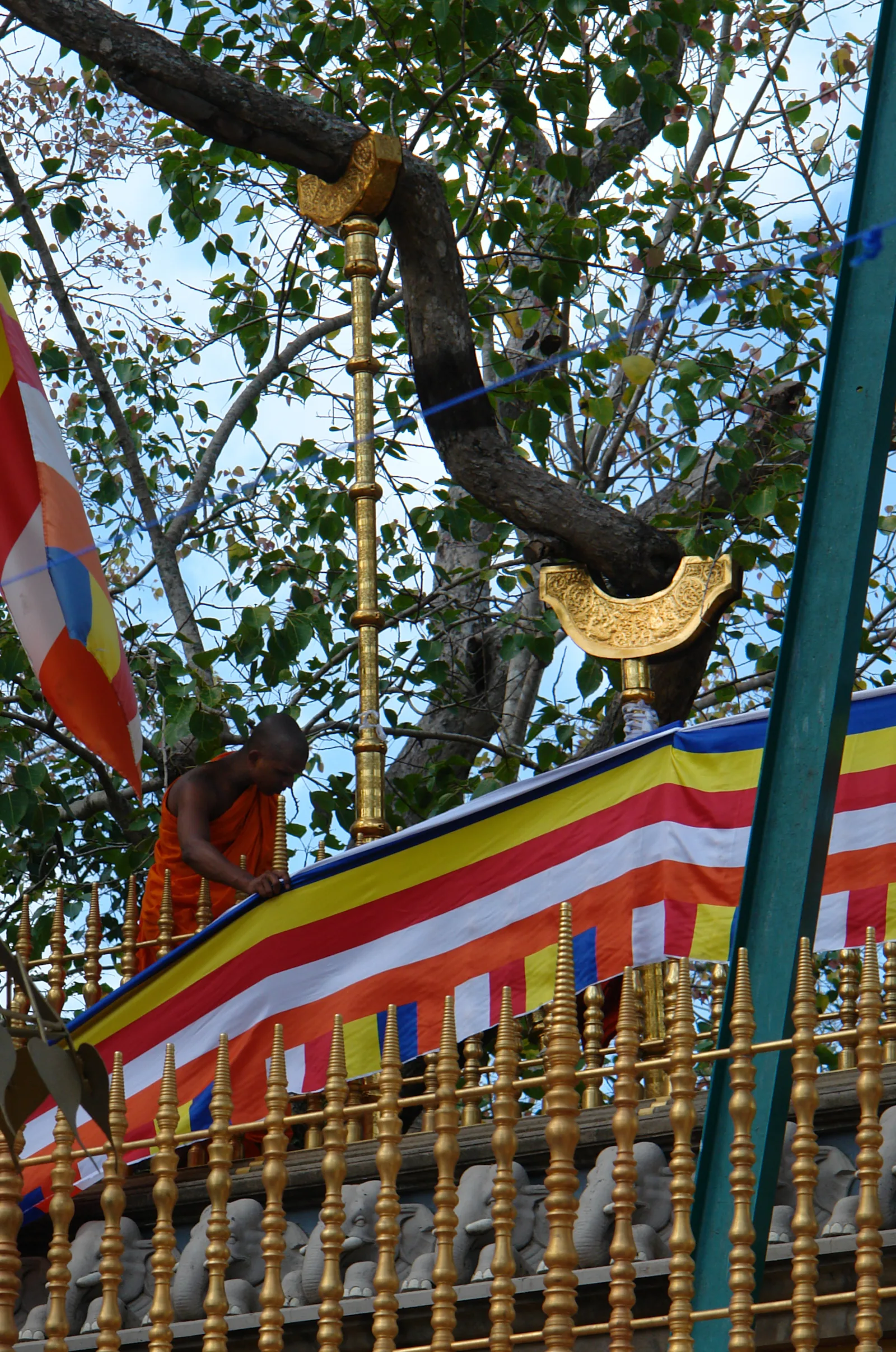
The first great capital of the island, and its political and religious centre for well over a thousand years, from roughly the fourth century BCE to the late tenth century CE.
What survives is the scale of it: monastic complexes housing thousands of monks, stupas that were among the tallest structures in the ancient world, and — decisive for everything else — a reservoir and canal system that made intensive agriculture possible in a dry zone that receives most of its rain in a single short season. The city was abandoned after repeated Chola invasions and the shift of the capital to Polonnaruwa, and the surrounding jungle covered much of it until British-era surveys began clearing and recording the site in the nineteenth century.